
When winter rolls in, your heating system carries a heavy load. Cold weather puts every part of your HVAC system to the test. Even a small issue can become a major winter HVAC problem if it’s ignored for too long. Fortunately, a bit of preparation goes a long way. Understanding the most common winter HVAC problems helps you avoid stress, sudden repairs, and higher energy bills.
1. Frozen Outdoor Units
When temperatures take a sudden drop, outdoor units from heat pumps can freeze over. A thin layer of frost is normal, since many heat pumps run a defrost cycle. The trouble starts when ice begins to build up and does not melt.
A frozen coil reduces airflow, forces the system to run longer, and stops the heat pump from delivering steady heated air inside the home.
A few things can cause this, including blocked drains, failing sensors, or a refrigerant issue. Even strong winds can push snow against the outdoor unit and trap moisture around the coil.
What you can do:
Keep snow and ice away from the unit. Brush off the vents if frost begins to cover them. Make sure shrubs, branches, or objects around the unit are trimmed back to allow proper airflow. If the unit is fully iced over, don’t chip away at it. It’s best to shut it down and call a professional, since the system could have a deeper mechanical problem.
2. Dirty or Clogged Air Filters
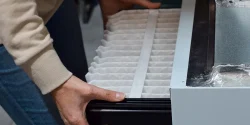
One of the most common winter HVAC problems is also one of the easiest to avoid. A dirty air filter limits airflow, which forces the system to work harder. This can lead to higher energy bills, overheating, and shortened equipment life.
When winter months arrive, filters fill up faster because the system runs more often and homes stay closed up.
A dirty air filter affects more than efficiency. It also impacts indoor air quality, especially if you have pets, smoke in the home, or live in a dusty environment.
Watch for these signs:
- Weak airflow from supply vents
- Air that feels cooler than usual
- More dust settling around the house
Change filters on time. If you have a gas furnace, check the filter once a month in winter. A clean filter keeps the system running smoothly and protects the blower from overworking.
3. Thermostat Issues That Cause the System to Stop Heating
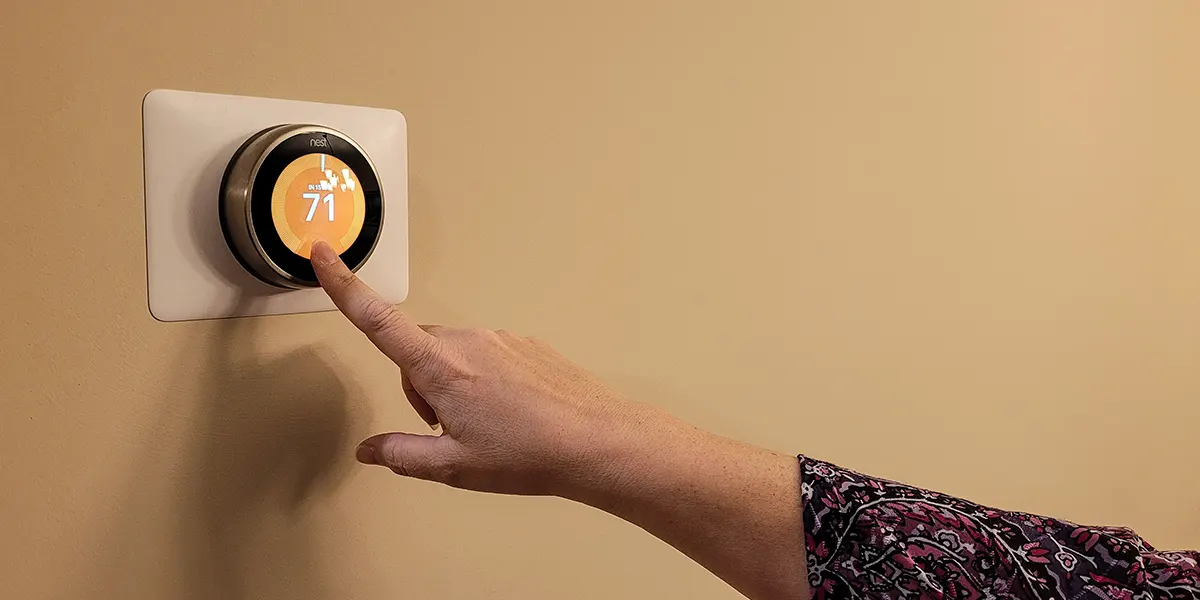
Sometimes the furnace is fine, but the thermostat is not sending the right signals. Homeowners often discover the thermostat was bumped or switched by accident. When the thermostat is set to “cool,” “fan only,” or set too low, the house cools down even though the furnace is functioning properly.
What you can do:
If the furnace stops running, check the thermostat settings before you panic. Make sure the thermostat is set to “heat.”
Also, check the age of the thermostat. Older units can lose accuracy over time, giving false readings. Low batteries can also interrupt signals, leading to short cycling or no heat at all.
If the thermostat screen is blank or flashing, replace the batteries first. It is a quick fix that often solves the problem. If the screen works but the furnace still does not turn on, the wiring or control board may need attention from an HVAC technician.
4. Pilot Light and Ignition Problems
Gas furnaces rely on an ignition system to light the burners. Modern systems often use electronic ignition, while older furnaces may still use a standing pilot light. When the pilot goes out or the ignitor fails, you lose heat almost immediately.
Cold weather can exaggerate these issues. Moisture can interfere with the flame sensor. Wear and tear can cause burners to get dirty. Even slight changes in gas pressure can affect ignition.
What to do:
If the pilot flame keeps going out, do not relight it repeatedly. Furnaces have safety switches for a reason. A weak flame may signal a problem with the thermocouple or the gas supply. It’s safer to have the unit checked before using it again.
5. Carbon Monoxide Concerns in Winter
One of the most serious winter HVAC problems involves carbon monoxide. This gas has no smell or colour. When a furnace has a damaged heat exchanger or a blocked exhaust vent, carbon monoxide can enter the home unnoticed.
Because homes stay closed up in winter, the risk rises when there is poor ventilation.
What you can do:
The best prevention is simple: install carbon monoxide detectors on every floor and test them regularly. If the alarm goes off, leave the home immediately and call for help.
Routine inspections also help catch issues early. Cracks in heat exchangers often develop slowly due to age or wear and tear, and they are not easy to spot without professional testing.
6. Heat Pumps Not Delivering Enough Heat
Heat pumps work well in winter, but they do behave differently than gas furnaces. They deliver air that may feel cooler, even when the home is warming up. Trouble starts when the heat pump stops keeping up with the cold, cycles constantly, or never reaches the set temperature.
What to know:
Common reasons include refrigerant leaks, dirty coils, or reduced airflow through the indoor blower. The outdoor unit may also struggle if snow or freezing rain builds up around the housing.
Even a small drop in refrigerant levels affects performance. Heat pumps depend on the proper pressure to move heat efficiently. If the system runs longer and the house still feels cold, it may need attention.
How to Stay Ahead of Winter HVAC Problems
No heating system lasts forever. Parts wear down after years of cycling through cold months. Belts lose tension. Motors slow down. Sensors fail. All this occurs not only in homes but also commercial businesses and multi-unit buildings where there’s above-average usage over an HVAC system. When outdoor temperatures drop to the extreme, any weak component is pushed to its limit and may fail without warning.
Winter breakdowns often trace back to issues that could have been spotted earlier in the season. That’s why annual checkups matter. They catch loose wires, weak capacitors, slow blower motors, and other developing problems before they cause a shutdown.
You can prevent most winter emergencies with a bit of routine care. Here are a few reminders that help keep the system steady:
- Check the thermostat settings before assuming the furnace is failing.
- Replace a dirty air filter early in the season and monitor it through winter.
- Keep outdoor units clear of snow and debris.
- Listen for new sounds such as rattling, squealing, or clicking.
- Schedule an inspection before extreme cold arrives.
Small habits like these save time, money, and stress during the coldest part of the year.
When Winter HVAC Problems Get Out of Hand, Call Husky Heating & Cooling
Sometimes, even well-maintained systems have issues. If you smell gas, hear loud grinding, or see your system shutting off repeatedly, turn it off and get help right away.
Contact us at Husky Heating & Cooling to schedule an HVAC assessment and repair immediately.
Even if your system is running well, consider reaching out for a professional heating checkup. A technician can test the system, clean key components, and make sure everything is safe and ready for the cold.
Furnaces, heat pumps, and other heating systems are built to handle long Canadian winters, but they still need care. Early action makes the biggest difference. If something feels off, it usually is. Get the help you need when you need it from Husky Heating & Cooling.