If you’re like most homeowners, your furnace filter probably isn’t something you think about very often. It’s out of sight, it’s not flashy, and it doesn’t feel urgent — that is, until your house won’t heat evenly or your furnace starts acting up.
Changing your furnace filter regularly is one of the simplest things you can do to keep your heating system running well. It can affect your comfort, your air quality, and even how long your furnace lasts. So let’s talk about how this quick maintenance touchpoint can make a difference in your home!
What Does a Furnace Filter Actually Do?
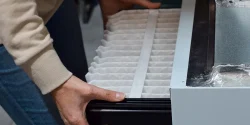
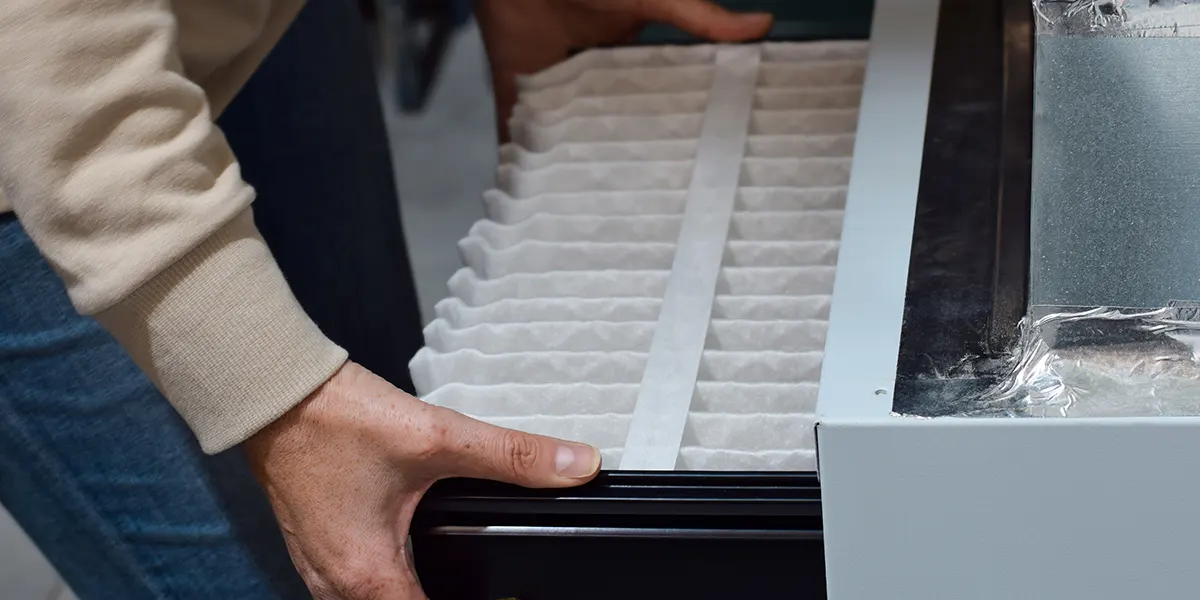
Your furnace filter sits in the airflow path of your heating system. As air moves through the furnace, the filter catches dust, dirt, pollen, and things like pet dander before they get pushed back into your home.
That helps keep the air in your house cleaner, but it also protects your furnace itself. When debris builds up inside the system, it can cause mechanical parts to wear out quickly or stop working. A clean filter helps air move freely, which is exactly what needs to happen so that your furnace can do its job.
How Often Should You Change Your Furnace Filter?
This is one of the most common questions we hear, and the honest answer is that it depends on your home and your furnace system.
While every situation is a little different, we do have some general recommendations you can follow. Change your filter every 1–2 months if you have pets, allergies, or a dusty home. Change it every 2–3 months for typical households, and every 3–6 months if your system runs less often or you use a higher-quality filter
The type of filter matters too. Basic filters tend to clog quickly, while thicker pleated filters can last a bit longer. You may also see filters rated by minimum efficiency reporting values, often called MERV ratings. Higher ratings catch smaller particles, but they can also fill up faster.
If you’ve ever looked at filters at Home Depot, you’ve probably noticed how many options there are. The key isn’t buying the most expensive one, it’s using the right filter for your system and actually replacing it on time.
What Happens If You Don’t Change Your Filter or Don’t Change It Often?
Skipping filter changes can lead to more problems than you might expect.
Reduced Airflow and Comfort
When a filter is clogged, air can’t move through the system properly. That often leads to uneven heating which means that some rooms feel fine, others stay cold.
Your Furnace Works Harder Than It Should
Restricted airflow forces your furnace to run longer to heat your home. That extra effort means higher energy use and higher bills.
More Wear and Tear on the System
When airflow is limited, your furnace can overheat or shut itself off to protect internal components. Left unchecked, this can lead to repairs that could have been avoided.

Indoor Air Quality Suffers
Once a filter is full of dust and debris, it stops trapping new particles effectively. This leaves more dust and allergens to circulate freely, which can be especially noticeable if anyone in your home has allergies or breathing sensitivities.
Choosing the Right Furnace Filter
Not all air filters are created equal, and the “best” filter really depends on your home.
Ask yourself:
- Do you have pets?
- Does your home collect dust easily?
- Does anyone have allergies?
- Is your furnace designed for higher-efficiency filters?
Higher-rated filters aren’t always better if your system isn’t built for them. If you’re unsure, it’s worth asking a professional rather than guessing.
Common Furnace Filter Questions
- Do all furnaces have filters that need changing?
Yes. Most forced-air furnaces use filters, and they all need regular attention. Some filters are disposable, while others can be cleaned and reused.
- Where is my furnace filter located?
Filters are usually inside the furnace, in the return air duct, or behind a grille in a wall or ceiling. If you’re not sure where yours is, a technician can point it out in minutes.
- Can a dirty filter really damage my furnace?
Restricted airflow puts stress on the system and can lead to overheating or premature wear if it’s ignored. So yes, the juice is worth the squeeze when it comes to swapping filters regularly!
- Is a higher MERV rating always better?
Not always. Higher minimum efficiency reporting values catch more particles, but they can also reduce airflow if your system isn’t designed for them.
A Small Habit That Makes a Big Difference
Changing your furnace filter regularly is one of those simple habits that pays off over time. It helps your furnace run more efficiently, keeps your home more comfortable, and can prevent unnecessary repairs.
If you’re unsure how often to change your filter or which one your system needs, Husky Heating & Cooling is always happy to help. Keep your furnace running smoothly all winter with some good advice and affordable maintenance packages.