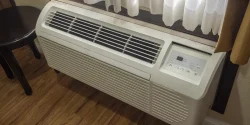
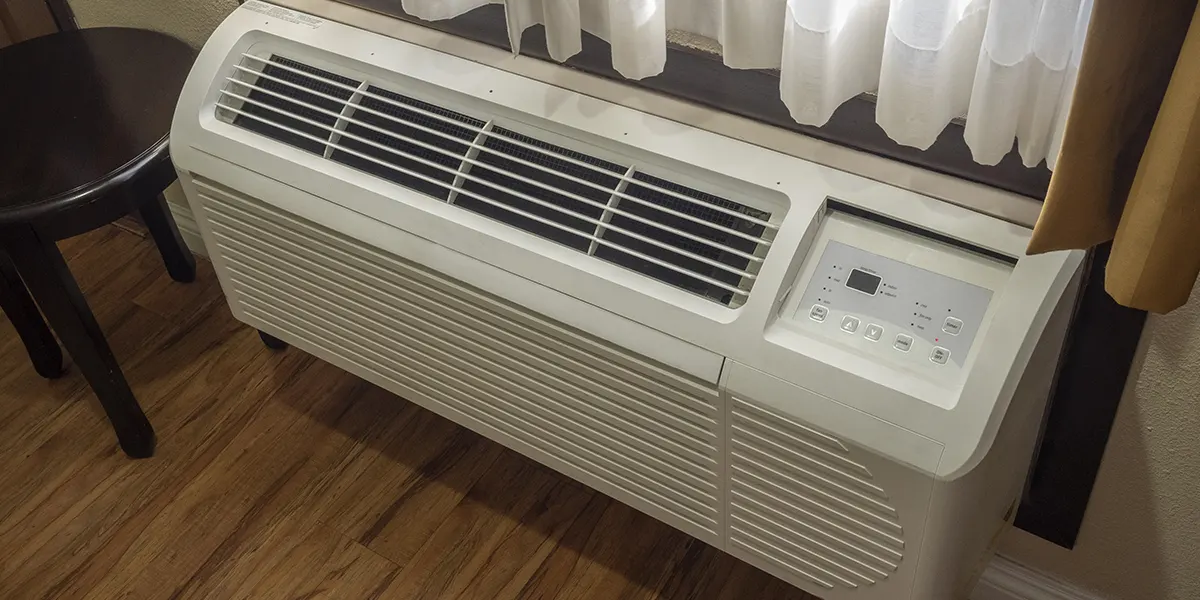
Packaged Terminal Air Conditioners, usually called PTACs, are a go-to option for hotels, condos, apartments, and other small spaces. You have probably seen them installed through an exterior wall, often right under a window. They are compact, easy to use, and give each room its own heating and cooling control.
One of the biggest benefits of PTAC units is that they do not need ductwork. That makes them more affordable and easier to install than central air systems. They also tend to be quieter than window units and often work as both an air conditioning unit and a heat pump, meaning they can heat and cool from the same system.
Like any AC unit, though, PTACs are not immune to problems. Over time, wear and tear, lack of maintenance, or simple buildup of dust and moisture can cause issues. Below are the most common PTAC problems we see, what usually causes them, and when it is time to bring in a professional.
1. Water Leaking From the PTAC
Seeing water drip from your PTAC is never a good sign. This is one of the most common problems and also one of the most important to deal with quickly.
What you might notice
- Water dripping from the unit
- Damp flooring or carpet underneath
- A musty smell in the room
Why it happens
PTAC units pull moisture out of the air as they cool. That moisture drains outside through a built-in system. If the drain becomes clogged or the unit is not installed correctly, water can back up and leak indoors.
Common causes include:
- A clogged drain or drain pan
- Not using the unit for long periods of time
- Dirty air filters restricting airflow
- Improper installation or incorrect tilt
What helps
- Run the unit regularly, even in rooms that are not used often
- Clean air filters so the unit can breathe properly
- Make sure the unit is slightly tilted toward the outside for drainage
If water leaks keep coming back, it is best to have the unit checked. Ongoing moisture can damage walls and floors and negatively affect air quality.
2. The PTAC Is Not Heating or Cooling Very Well
If your PTAC is running but the room never feels comfortable, airflow is usually the issue. PTAC units are designed for small spaces, so even a minor blockage can affect how well they work.
What you might notice
- The air does not feel cold or warm enough
- Weak airflow
- The unit runs constantly without much improvement
Why it happens
Most of the time, this comes down to airflow restrictions, such as:
- Dirty or clogged air filters
- Furniture or curtains blocking wall units
- Dust, pet hair, or debris in vents
- Outdoor grills blocked by leaves or dirt
What helps
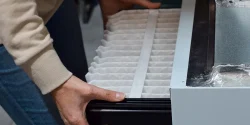
- Clean or replace air filters regularly
- Keep furniture and objects away from the unit
- Check the outdoor side for debris
- Make sure vents are fully open
If airflow is clear and the PTAC still is not working properly, there could be an internal issue with the fan, compressor, or other components.
3. Ice Buildup on the Unit
Ice forming on a PTAC is a sign that something is wrong. This is not an issue you want to ignore or try to power through.
What you might notice
- Ice or frost on the exterior
- Reduced airflow
- The unit stops cooling or heating properly
Why it happens
Ice buildup is often caused by:
- Poor airflow
- A faulty thermostat
- Fan problems
- Very cold outdoor temperatures
- Low refrigerant levels
When airflow drops or temperature readings are off, moisture inside the unit can freeze. This can damage the air conditioning system if it keeps running.
What to do
- Turn the unit off
- Let the ice melt naturally
- Do not chip or force ice off the unit
- Call a professional to find the cause
Running a frozen PTAC can lead to more serious damage and higher repair costs.
4. Strange Noises Coming From the PTAC
PTACs are not silent, but they should not be loud or alarming either. If you start hearing new sounds, it is usually the unit’s way of telling you something is off.
Common noises and what they mean
- Humming: possible fan or motor issue
- Wheezing: restricted airflow or clogged air filters
- Rattling or vibrating: loose mounting or internal parts
- Crackling or buzzing: potential electrical issue
What helps
- Turn the unit off and inspect the exterior
- Make sure the unit is securely mounted
- Clean filters and vents
- Remove any visible debris
If the noise continues or sounds electrical, stop using the unit and book a service call. Electrical issues should always be handled by a trained technician.
5. The PTAC Will Not Turn On or Keeps Shutting Off
When a PTAC will not start or keeps shutting down, it is often doing that on purpose. Many units have safety features that prevent them from running if something is wrong.
Possible causes
- Tripped breaker or blown fuse
- Water inside the unit
- Overheating due to blocked airflow
- Wiring or control board issues
What you can check
- Reset the breaker if it has tripped
- Clean vents and air filters
- Look for signs of water or ice
- Make sure nothing is blocking airflow
If the unit still will not run, it is time to call a professional. Electrical and internal component repairs are not DIY jobs.
When to Call a Professional
Basic maintenance like cleaning air filters is something most people can handle. But if your PTAC is leaking, freezing, making strange electrical noises, or not working properly after basic checks, professional service is the safest option.
A Little Maintenance Goes a Long Way
If your PTAC is older or struggling to keep up, a professional assessment can help you decide whether a repair makes sense or if it is time to look at replacement options.
Husky Heating and Cooling services PTAC units, wall units, heat pumps, and full air conditioning systems across the Okanagan. Whether your unit supports a condo, hotel room, or other small space, proper service helps keep it running efficiently and extends its lifespan.