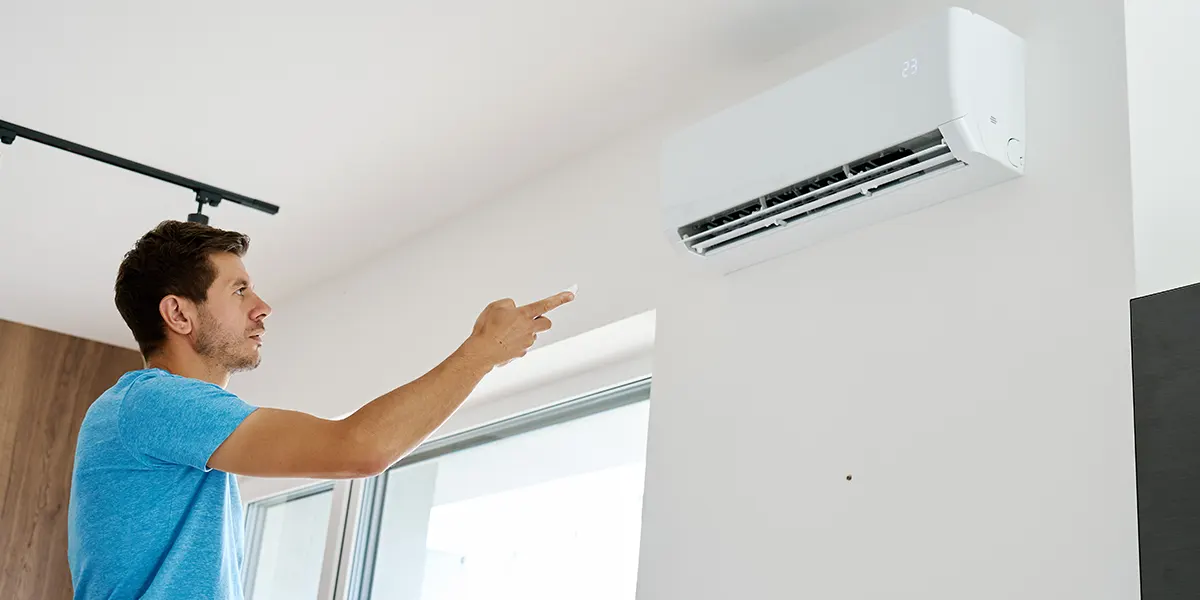
If your condo air conditioner is running but your place still feels warm, it’s not just in your head. Condo HVAC systems are smaller and more compact, and many are tied into shared building systems. That means even small issues can throw things off pretty quickly.
Most condo AC repair issues come down to airflow problems, control settings, or parts that are simply worn out. Below are six common reasons condo air conditioners lose efficiency, and some helpful tips you can do to fix them.
1. Blocked or Closed Air Vents
This one surprises a lot of people. Closing vents in unused rooms feels like a smart way to redirect cool air, but it often makes things worse.
Blocked vents restrict air flow inside your HVAC system. That forces your heat pump or fan coil to work harder to move air through the condo. Instead of improving comfort, it creates pressure imbalances that lead to short cycling, uneven cooling, and reduced energy efficiency.
What to do:
Keep vents open and clear. Make sure furniture, rugs, or curtains are not blocking airflow. Balanced air flow helps your air conditioning system cool the space evenly and keeps strain off the ac unit.
2. Dirty Air Filters
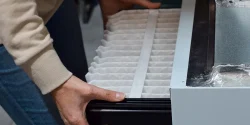
It’s easy to forget about air filters, but they have a big impact on your condo air conditioning. Once filters get dirty, airflow drops, cooling becomes less effective, and internal components take on extra stress. Dirty air filters can also affect indoor air quality and cause your air conditioner to run longer than necessary, driving up energy use.
What to do:
Check air filters every few months and replace them as needed. If you have pets or live in a high-dust environment, you may need to change them more often. Clean filters are one of the easiest ways to improve heating and cooling performance.
3. Refrigerant Leaks
Your condo heat pump or air conditioner relies on refrigerant to move heat out of your space. If refrigerant levels drop due to a leak, cooling performance drops with it.
Low refrigerant forces the cooling system to run longer, struggle to maintain temperature, and in some cases shut down entirely to protect itself. Left unresolved, this can lead to compressor damage.
What to do:
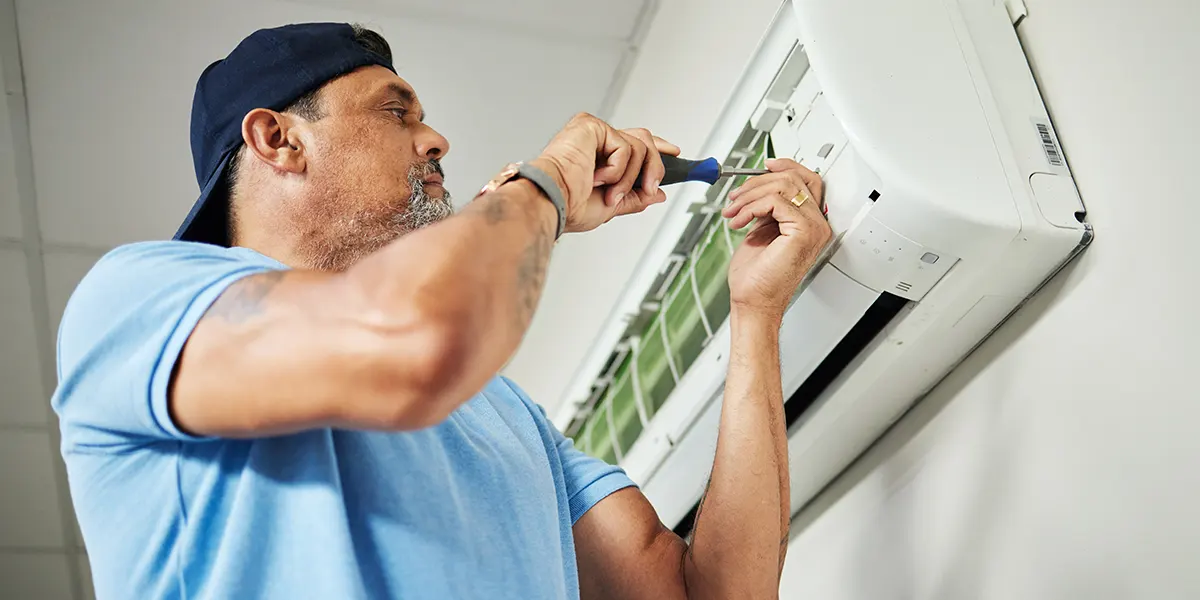
Call a licensed HVAC technician. Refrigerant work is not a DIY job. In condo settings, major heat pump repairs may need to be done offsite due to space limitations, which makes proper diagnosis even more important.
4. Building Water Loop Problems
Many condos use a shared water loop to support heating and cooling. Your individual air conditioning system depends on that loop working properly.
Over time, minerals, debris, or poor water chemistry can foul the heat exchanger inside your unit. If the building water loop temperature is out of range, your system struggles to reject heat, even if your ac unit itself is in good condition.
What to do:
This one often requires building-level action. Regular maintenance of the water loop system helps protect individual units and maintain overall energy efficiency. If multiple units in the building are having similar issues, the water loop is often the culprit.
5. Blower Motor or Airflow Distribution Issues
Fan coil systems rely on a blower motor to move air throughout your condo. If the blower motor is weak, failing, or not running at the right speed, airflow suffers.
Low air flow leads to hot and cold spots, longer run times, and reduced comfort. In condos, where duct runs are short and compact, even small airflow issues are noticeable.
Common causes:
- Aging blower motors
- Electrical wear
- Incorrect thermostat fan settings
What to do:
Make sure your thermostat fan settings are correct. If airflow still feels weak, have an HVAC technician inspect the blower motor. Most blower motors last 15 to 20 years, and replacing one can dramatically improve system performance.
6. Thermostat or Control Problems
Your thermostat is the brain of your HVAC system. If it’s not reading temperatures accurately, your air conditioner may short cycle, run nonstop, or fail to turn on when it should.
Thermostat placement also matters. Direct sunlight or nearby heat sources can trick the thermostat into thinking the condo is warmer than it really is.
What to do:
Check thermostat settings and replace batteries if applicable. If temperature readings seem off, replacement may be the best option. Modern thermostats often improve both comfort and energy efficiency.
Repair or Replace? What Makes Sense in a Condo
Condo AC repair is often more cost-effective than replacement, especially when the unit is under 15 years old and parts are still available. Replacement becomes more likely when:
- Major components fail repeatedly
- Replacement parts are no longer supported
- Energy efficiency is far below modern standards
Strata rules also play a role. Some buildings restrict replacement models or require approval before major HVAC changes. A professional assessment helps clarify the best path forward.
When to Call for Condo AC Repair
It’s time to bring in a professional if you notice:
- Persistent water leaks
- Buzzing, burning smells, or electrical noises
- Ice forming on the unit
- Inconsistent cooling throughout the space
- Rising energy bills with no clear explanation
Early repairs usually cost less and prevent more serious damage to your air conditioning system.
Condo AC Repair in the Okanagan
Condos across the Okanagan use a variety of heating and cooling setups, from wall-mounted units to shared-loop fan coil systems. Experience matters when working in these environments.
Still Having Problems With Your Condo Air Conditioning?
Many condo AC issues can be resolved with simple adjustments or routine maintenance. Others require professional diagnosis, especially when dealing with refrigerant, electrical components, or airflow systems.
Husky Heating and Cooling provides reliable condo ac repair services throughout the Okanagan. From airflow issues and refrigerant leaks to fan coil and heat pump repairs, their team understands the unique challenges of condo HVAC systems and works within building-specific requirements.