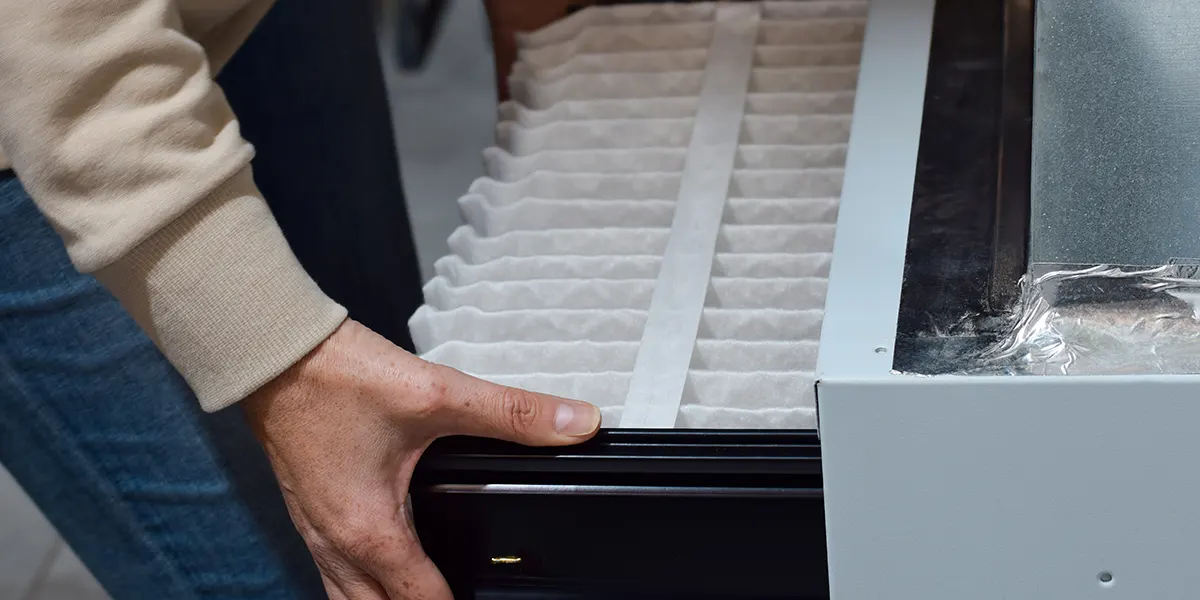
A clean furnace filter is a must for healthy air and an efficient heating system that works. Many homeowners overlook this simple maintenance task and they shouldn’t. Dirty filters can reduce a home’s energy efficiency, increase energy bills, and even damage your furnace over time. Understanding how often to change your filter and why it matters will help your system last longer and keep your home comfortable.
Why Furnace Filters Matter
Furnace filters trap dust, pet dander, pollen, and other particles from the air. They also help control indoor allergens and protect your HVAC system from damage. They are highly effective at this work. Without a filter, debris can accumulate in the furnace, leading to reduced airflow, higher energy use, and potential breakdowns.
In terms of their effectiveness and the type of furnace filters there are, they are rated using Minimum Efficiency Reporting Value (MERV) ratings. The higher the rating, the more particles the filter can capture.
Choosing the right filter depends on your household needs, including pets, allergies, and the level of dust in your home.
How Often Should You Change Your Furnace Filter?
Here is the big question and, as any residential HVAC technician will tell you, there isn’t a one-size-fits-all answer.
Several factors influence how often you should replace your filter. The type of filter matters. Should you be using standard fiberglass filters, they may need replacement every 30 days, while pleated filters typically last 90 days or more.
Household activity also plays a role. Homes with pets or smokers may require more frequent changes due to higher pet dander or particle accumulation.
Allergy considerations are important as well. If someone in the home suffers from allergies, more frequent filter replacement keeps indoor air cleaner and can help positively impact their respiratory health How often you use your furnace also matters. During the heating season, filters may clog faster and need closer attention.
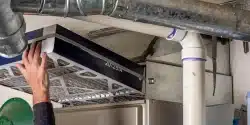
As a general guideline, check your filter monthly. If it looks dirty or clogged, replace it immediately. Even a partially dirty filter can reduce airflow and strain your system.
Signs Your Furnace Filter Needs Changing
Not all filters need constant monitoring, but there are clear signs that indicate it’s time to replace yours.
- Reduced airflow from vents
- Increased dust settling around the home
- Higher energy bills
- A furnace running longer than usual
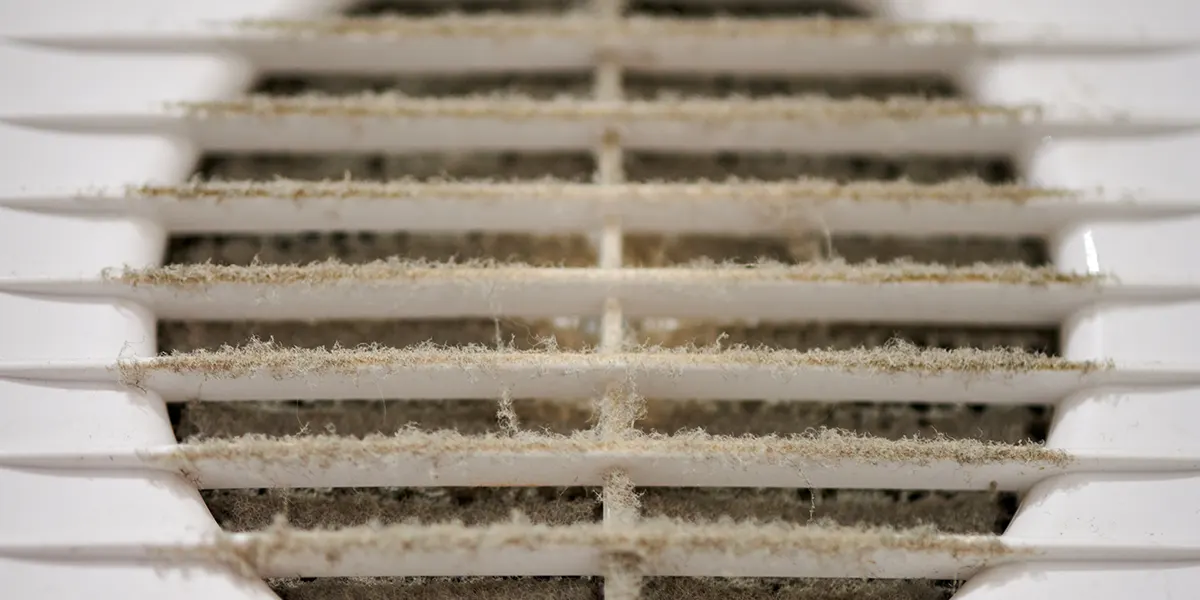
- Visible dirt and debris on the filter
These signs all suggest it’s time to change your furnace filter. Whether it’s an HVAC for a commercial business or it’s a furnace in a residential home, paying attention to these signs ensures your furnace runs efficiently and your indoor air quality stays high.
Choosing the Right Furnace Filter
Selecting a new filter requires consideration of a few important factors.
The MERV rating is a key aspect. Filters rated between 8 and 13 capture most dust and allergens. Higher-rated filters capture smaller particles but may restrict airflow if your furnace isn’t compatible which is another consideration.
The size of the filter is also important. Always measure your filter slot before purchasing to ensure you don’t accidentally buy the wrong size which happens more than most care to admit. Filters come in standard sizes, but accuracy is key to ensure a proper fit.
Some filters offer special features, such as enhanced trapping of pet hair or neutralizing household odours. Stores like Home Depot carry a wide variety of filters suitable for different furnaces and budgets. Choosing a reputable brand and confirming compatibility with your system ensures optimal performance.
How to Maintain Clean Furnace Air Filters
To keep your furnace running efficiently, it’s a good idea to set a reminder to check your filter every month. We can’t say it enough. This will be the deciding factor on whether you go out and buy a new filter or wait.
Also, keeping spare filters on hand ensures you can replace them immediately when needed. Cleaning the area around vents and registers regularly will also help reduce debris and dust accumulation that could clog your new filter.
Please note that if your home undergoes heavy dust exposure, such as during renovations, extra attention may be required to maintain airflow and system efficiency.
Need A Furnace Tune-Up? Call an HVAC Technician at Husky Heating & Cooling
Changing your furnace filter may seem minor, but it has a major impact on efficiency, air quality, and the lifespan of your HVAC system. This is how you can keep your home comfortable and protect your investment in your heating system.
Need a hand maintaining your furnace? For further professional guidance, expert furnace maintenance, and recommendations on the best filters for your home, contact us at Husky Heating & Cooling today. A team member would be happy to connect and get the details of your furnace, ensuring it’s being supplied with the best servicing and furnace filters available to you.